SEO-Friendly AI Articles: A Practical Structure for Headings, Intros, and Search Intent
- Get link
- X
- Other Apps
Start with reader context, not generic “SEO”
A common mistake with AI article writing is optimizing for what sounds natural instead of what the searcher is trying to achieve. Before drafting, write one brief context line for the reader: the question they’re exploring, the problem they want solved, and what they should understand after reading. That anchor should guide your blog content workflow.
Pick one primary intent that matches the search intent (informational research, how-to, comparison, or decision support). Then add supporting sub-intents such as definitions, steps, examples, and key pitfalls.
Make headings reflect the search journey
Headings should mirror how readers process information. Use this simple map:
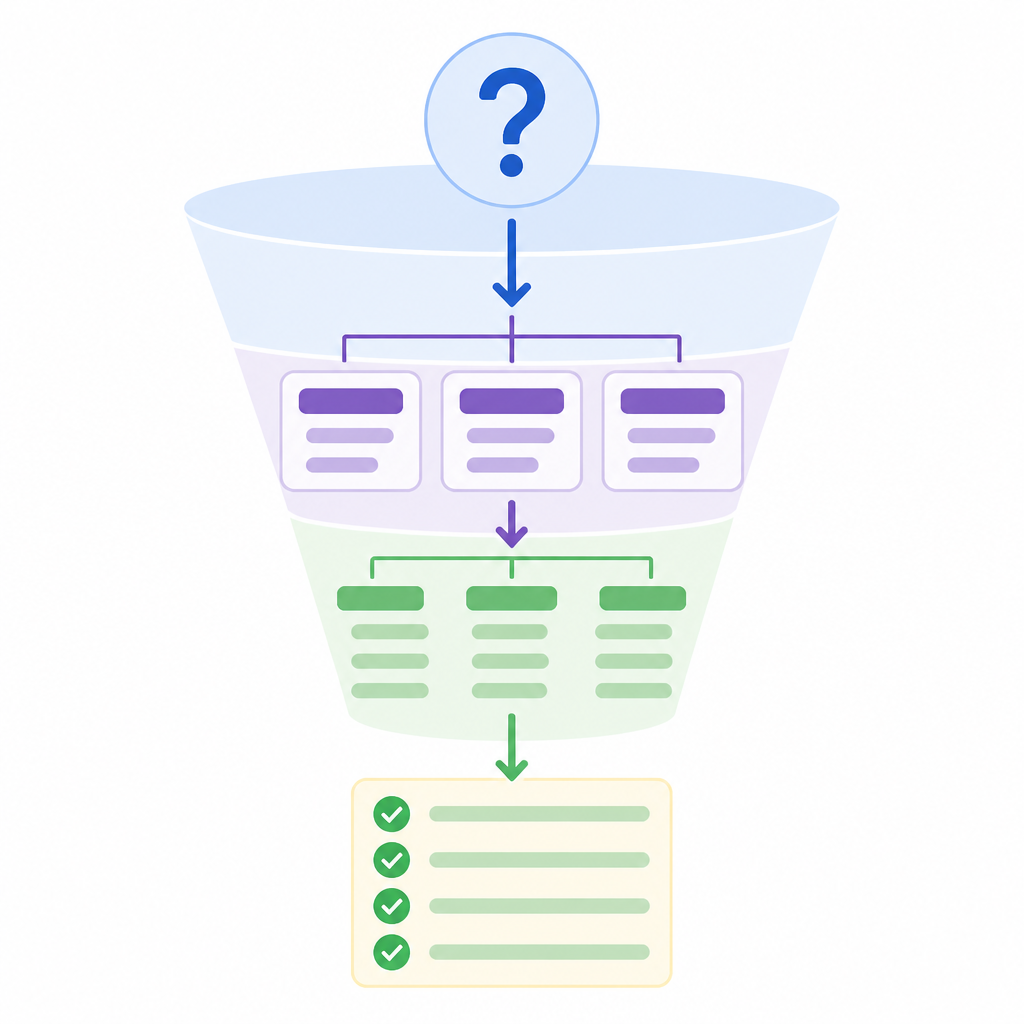
- Main sections (H2s) cover the primary intent and major sub-questions.
- Subsections (H3s) break each section into steps, criteria, or components.
- Definitions appear early when they’re needed to understand later steps.
- Examples come right after the concept they illustrate.
For AI content automation, reuse a blog template so headings and flow stay consistent across topics. In your writing profiles, specify tone, audience, reading level, and compliance notes, plus a must-verify list for facts, citations, and claims that require confirmation.
Write an intro that sets expectations
Your first 80–120 words should state what the article covers, who it’s for, and what the reader can do or understand afterward. Mirror the search intent in plain language, then preview the sections that deliver the outcome. This avoids vague openings and helps the reader quickly decide to continue.

Use a publish-ready checklist for accuracy and formatting
Before publishing an AI-assisted draft to Google Blogger publishing or WordPress publishing, run a short quality pass:
- Intent match: remove any section that doesn’t support the primary goal.
- Heading clarity: ensure headings describe content, not just keywords.
- Concrete detail: replace broad claims with steps, criteria, or examples.
- Citations and sources: verify references and avoid overstating unsupported facts.
- Compliance: double-check policy-sensitive topics, comparisons, and pricing language.
- Mobile readability: keep paragraphs short, lists clean, and headings scannable.
- Images: confirm AI image generation is relevant; name files clearly; keep Google Drive images organized and backed up.
This human review step protects accuracy and formatting consistency whether you use scheduled publishing or automatic publishing.
Avoid common failure patterns in SEO-friendly AI writing
- Overstuffed headings: don’t force keywords into every heading at the cost of clarity.
- Unverified claims: treat uncertain details as needing confirmation.
- Duplicate topics: use content planning to create unique angles and distinct subtopics.
- Formatting drift: when moving between Blogger and WordPress, preserve list structure and heading hierarchy.
Put the structure to work for reliable results
A repeatable structure—clear search-intent context, headings that follow the reader’s journey, an intro that sets expectations, and a practical pre-publish checklist—helps AI output become SEO-friendly writing that is readable, consistent, and ready for Google Blogger publishing and WordPress publishing workflows.
- Get link
- X
- Other Apps

Comments
Post a Comment